
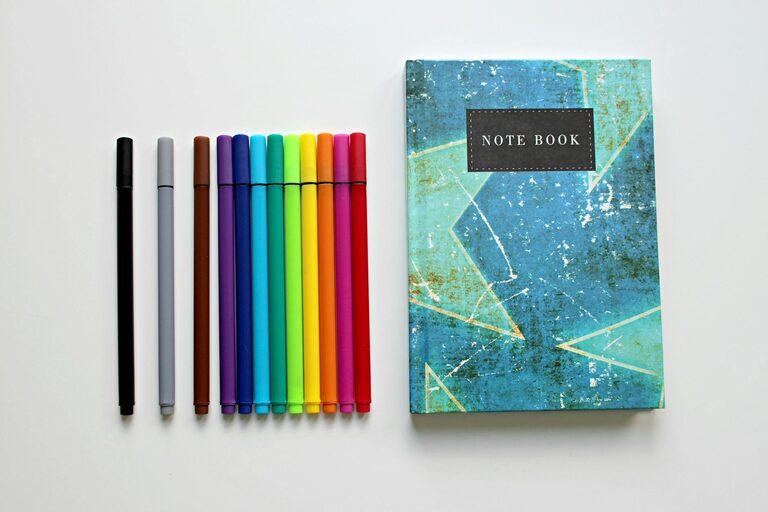
Choosing the right notebook can make a big difference in how often you use it. Whether for jotting down ideas, planning your day, or creative writing, a notebook you enjoy can become an invaluable tool. But with so many options available, how do you pick one that you’ll actually reach for regularly? This guide will walk you through the key factors to consider when selecting your ideal notebook.
Why Choosing the Right Notebook Matters
Many people start a notebook with enthusiasm, only to find it unused after a few days or weeks. The problem often isn’t motivation but the mismatch between the notebook’s design and your preferences. A notebook that feels right in your hands, suits your writing style, and fits your daily routine helps develop a habit of using it consistently.
Key Factors to Consider When Choosing a Notebook
1. Size and Portability
Notebooks come in various sizes, from pocket-sized to large sketchbooks. Think about how and where you plan to use your notebook:
– Pocket or A6 size: Perfect for quick notes on the go. Easy to carry but can feel cramped.
– A5 size: A popular middle ground, easy to fit in most bags and offers enough space for writing.
– A4 or larger: Suitable for detailed notes, sketches, or when you need more space but less portable.
Choose a size you feel comfortable carrying daily without it being a burden.
2. Paper Type and Quality
Paper quality affects how your pen glides and whether ink bleeds through.
– Weight: Heavier paper (measured in gsm) tends to be thicker and less likely to bleed. Look for 80–120 gsm depending on your writing instruments.
– Texture: Smooth paper is better for ballpoint pens, while some prefer a bit of toothiness (texture) for pencils or fountain pens.
– Color: Classic white, cream, or ivory—choose what’s easiest on your eyes. Lightly colored paper can reduce glare.
If you use markers or fountain pens, seek paper that prevents bleeding and feathering.
3. Binding Style
How your notebook opens matters, especially if you plan to write on both sides of the page or want a flat surface.
– Spiral binding: Allows the notebook to lay flat and fold back on itself. Great for note-taking in tight spaces.
– Sewn or stitched binding: Durable and can open flat but may be less flexible than spirals.
– Glue binding (perfect bound): Looks neat but may not open completely flat.
Consider how you’ll use the notebook and choose a binding style that suits your writing habits.
4. Page Layout and Ruling
Different activities call for different page styles:
– Lined: Ideal for writing, journaling, or note-taking.
– Grid: Useful for graphs, planning, or bullet journaling.
– Blank: Perfect for sketches or freeform notes.
– Dot grid: Offers subtle guidance for writing and drawing without overwhelming lines.
Think about what you’ll be mostly doing in the notebook and pick a layout accordingly.
5. Cover Material and Durability
A notebook often means more if it’s durable and pleasant to handle.
– Hardcover: Offers protection and rigidity, good for carrying in bags.
– Softcover: More flexible and lightweight but may wear faster.
– Leather or faux leather: Adds style and durability.
– Water-resistant covers: Helpful if you’re often outdoors or traveling.
Choose a cover that fits your lifestyle and how much you want your notebook to stand up to wear and tear.
6. Additional Features to Consider
Many notebooks come with extras that might make your life easier:
– Pocket folders: Great for storing notes, receipts, or stickers.
– Pen loops: Help keep your pen handy.
– Page markers or elastic bands: Keep your place or secure the notebook when closed.
– Numbered pages or index sections: Useful for bullet journaling and organization.
– Perforated pages: Convenient if you want to tear pages out cleanly.
Evaluate which features will support your workflow and preferences.
Tips to Make Sure You’ll Use Your Notebook Regularly
Match Your Notebook to Your Purpose
Be honest about why you want the notebook. Is it for work notes, creative writing, daily journaling, or sketching? Choosing with your use case in mind will boost your motivation.
Start Small
If you’re unsure, buy a smaller or cheaper notebook to test the waters. You can always upgrade once you know what you like.
Experiment with Pens and Tools
Sometimes pairing the right pen with the notebook enhances the writing experience. Try a few combinations to find the most enjoyable setup.
Create a Routine
Set a specific time daily or weekly to use your notebook. Consistency helps turn using it into a habit.
Personalize It
Add stickers, tabs, or drawings to make the notebook feel like your own. The more it reflects your personality, the more you’ll want to use it.
Conclusion
Choosing a notebook you’ll actually use comes down to understanding your habits, preferences, and needs. By paying attention to size, paper quality, binding, layout, and features, you can find a notebook that feels good to use and motivates you to keep writing. Remember, there’s no one-size-fits-all—try different styles and tools until you find your perfect match. Happy note-taking!