
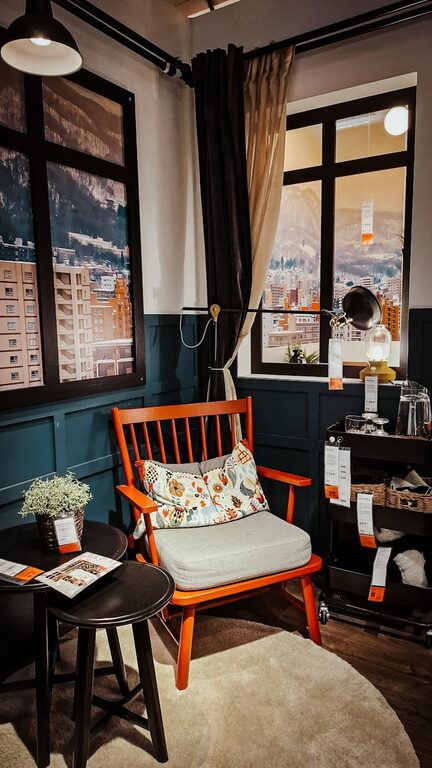
Creating a comfortable atmosphere in your home starts with the right lighting. Whether you’re reading a book, working on a project, or unwinding after a long day, lighting plays a crucial role in how you feel and function in each space. Choosing comfortable home lighting isn’t just about brightness—it involves understanding the quality, color, placement, and style of light that suits your needs.
In this post, we’ll explore how to choose home lighting that feels cozy, inviting, and practical.
Why Comfortable Lighting Matters
Lighting affects more than just visibility. It influences your mood, energy levels, and even your sleep patterns. Poor lighting can cause eye strain or headaches, while the right lighting can make a room feel spacious, warm, or calm.
Here are some reasons to focus on comfortable lighting:
– Enhances visual clarity without glare
– Creates a welcoming atmosphere
– Supports specific tasks or activities
– Improves overall wellbeing at home
Understanding Lighting Types
Before you shop for lamps or bulbs, it helps to know the main types of lighting used in homes:
Ambient Lighting
This is the general, overall lighting in a room. Think ceiling fixtures, recessed lights, or large lamps that provide uniform illumination. Ambient lighting sets the room’s baseline brightness.
Task Lighting
Task lighting is more focused and bright, ideal for activities like reading, cooking, or working at a desk. Desk lamps, under-cabinet kitchen lights, and vanity lights fall into this category.
Accent Lighting
Accent lights add drama or highlight a feature such as artwork, plants, or architectural details. Examples include spotlights, wall-mounted fixtures, and LED strip lights.
Tips for Choosing Comfortable Home Lighting
1. Consider the Room’s Purpose
Different rooms have different lighting needs. Living rooms and bedrooms benefit from warm, softer lights that promote relaxation. Kitchens and offices usually require brighter, cooler lights to aid concentration and visibility.
2. Choose the Right Color Temperature
Measured in Kelvins (K), color temperature affects how light feels:
– Warm white (2700K–3000K): Inviting and cozy, perfect for bedrooms and living areas
– Neutral white (3500K–4100K): Balanced and comfortable for kitchens and bathrooms
– Cool white (5000K+): Crisp and energizing, ideal for workspaces and garages
Choosing the right temperature helps create comfortable environments that suit daily activities.
3. Use Dimmers for Flexibility
Dimmers let you adjust the brightness throughout the day or based on your mood. Installing dimmer switches is a simple way to customize your home’s lighting layers and improve energy efficiency.
4. Avoid Harsh Glare and Shadows
Glare from overly bright or exposed bulbs can cause discomfort, as can harsh shadows. Use lampshades, diffusers, or indirect lighting to soften light and create an even glow.
5. Select Quality Bulbs
LED bulbs are energy-efficient and last longer than traditional incandescent bulbs. Look for bulbs with a high Color Rendering Index (CRI) of 80 or above for natural-looking colors in your room.
6. Layer Your Lighting
Combining ambient, task, and accent lighting creates depth and balance. This layering allows you to adapt lighting based on activities or time of day rather than relying on a single source.
7. Consider Light Placement
Position lamps and fixtures thoughtfully to maximize comfort. For reading areas, place task lights on the opposite side of your dominant hand to reduce shadows. In larger rooms, spread out lighting to avoid dark corners.
8. Incorporate Natural Light
Whenever possible, maximize daylight with windows, skylights, and curtains that open fully. Natural light not only reduces dependence on artificial lighting but also improves mood and health.
Practical Examples
– Living Room: Use a warm-toned ceiling fixture for ambient light, add floor lamps near seating for task lighting, and include wall sconces or picture lights for accents.
– Kitchen: Bright, neutral-toned recessed lights for main illumination, under-cabinet strips for countertops, and pendant lights over the island for style and function.
– Bedroom: Soft bedside lamps with dimmers provide cozy task lighting, supplemented by a warm overhead light set on a dimmer for ambient control.
Final Thoughts
Comfortable home lighting blends functionality with warmth, enhancing both the look and feel of your space. Keep in mind the activities taking place in each room, select the appropriate color temperature, avoid glare, and layer your lights for the best results.
By following these tips, you’ll create a home environment that not only looks great but feels truly comfortable day and night. Happy lighting!