
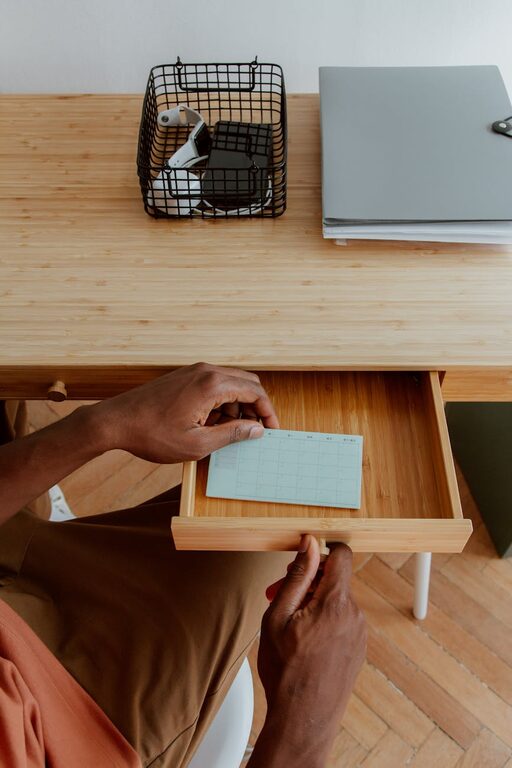
In today’s world, household paper clutter can quickly take over your living space, making your home feel messy and overwhelming. From bills and receipts to school papers and junk mail, the accumulation of paper can become a real challenge. The good news is that reducing paper clutter doesn’t have to be complicated or time-consuming. With simple strategies and a little commitment, you can create a more organized and peaceful environment.
In this post, we’ll explore straightforward ways to reduce paper clutter in your home, helping you save time, reduce stress, and maintain a tidy space.
Why Reducing Paper Clutter Matters
Paper clutter can create visual noise that distracts you and adds to your stress. It can also make it difficult to find important documents when you need them. By reducing paper clutter, you:
– Improve your home’s appearance and feel calmer
– Save time searching for important papers
– Reduce waste and help the environment
– Create space for things that truly matter
Step 1: Sort and Purge Regularly
One of the best ways to gain control over paper clutter is to sort through your papers routinely.
Create Sorting Categories
Start by gathering all your papers in one place. Then, separate them into categories such as:
– Bills and financial statements
– Receipts
– Important personal documents (passports, birth certificates)
– Sentimental papers (cards, artwork)
– Junk mail and flyers
Decide What to Keep
Be honest about which papers are truly needed. Keep only what’s necessary, such as documents required for taxes, warranties, or legal proof. Toss or recycle items that don’t serve a purpose, like outdated receipts or advertisements.
Establish a Routine
Make it a habit to sort papers weekly or monthly. Setting a timer for 10-15 minutes can make the task manageable without feeling overwhelming.
Step 2: Go Digital Where Possible
Digital tools can help you reduce physical paperwork significantly.
Scan Important Documents
Use a scanning app or device to create digital copies of essential papers. Store these files securely on your computer or in cloud storage. This practice reduces the need to keep paper copies and makes document retrieval easier.
Switch to Paperless Billing
Sign up for electronic billing from your utility providers, banks, and other services. This reduces incoming mail drastically and helps you track your bills online.
Use Note-taking Apps
Replace physical notes and reminders with apps on your phone or tablet. This minimizes loose papers like sticky notes and to-do lists.
Step 3: Organize What You Keep
Keeping paper clutter to a minimum also means organizing the papers you decide to hold onto.
Use a Filing System
Invest in a simple filing cabinet, accordion folder, or binders to categorize important papers. Label folders clearly by category, such as “Taxes,” “Medical,” or “Home Warranty.”
Create an Inbox for Incoming Paper
Designate a spot near your entryway or workspace for new papers. Sort these regularly to avoid a pile buildup.
Limit Sentimental Paper
Instead of keeping every card or drawing, choose a few meaningful items and store them in a keepsake box or digitally photograph them for memories without clutter.
Step 4: Control Incoming Paper Clutter
Reducing incoming paper is crucial to managing clutter effectively.
Unsubscribe from Junk Mail
Use online tools or contact companies directly to opt-out of junk mail and unwanted catalogs.
Use Online Statements and Notifications
Encourage family members to use electronic statements and confirmations for subscriptions and purchases.
Set Up Automatic Payments
Automate recurring bills to avoid paper invoices and reduce late payments.
Step 5: Create Habits to Maintain Clutter-Free Areas
Consistency is key to keeping paper clutter at bay long term.
– Spend a few minutes daily dealing with mail and paperwork
– Keep your workspace or kitchen counter clear of loose paper
– Encourage family members to handle paperwork promptly and responsibly
Bonus Tips: Eco-Friendly Paper Practices
Be mindful of how you handle papers to reduce waste.
– Recycle old documents properly
– Use scrap paper for notes or grocery lists
– Choose digital invitations and cards when possible
Conclusion
Reducing household paper clutter is easier than it seems when you break it down into simple steps. Start by sorting and purging regularly, embrace digital alternatives, and set up organized systems for the papers you keep. Controlling incoming paper and maintaining daily habits will help you keep clutter under control, creating a more peaceful, efficient home environment.
Remember, the goal isn’t perfection but progress. Small consistent efforts can make a big difference in keeping your household paper clutter-free.
Happy organizing!