
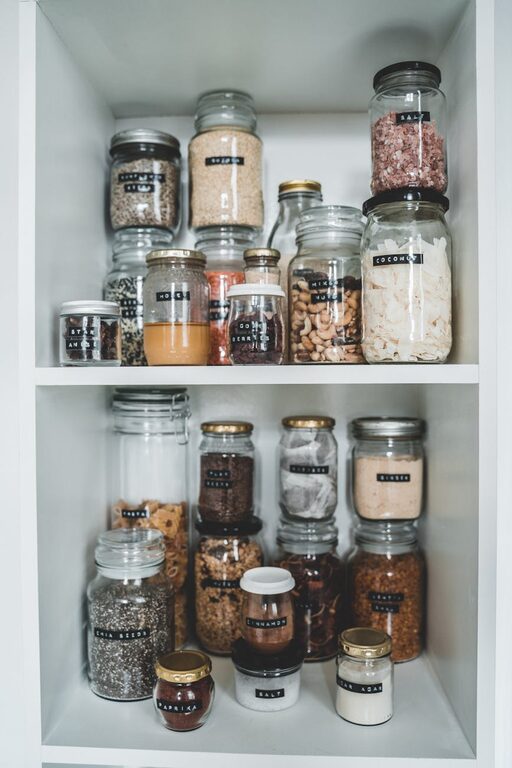
Keeping your fridge and pantry tidy not only helps you find items quickly but also extends the freshness of your food and reduces waste. Whether you have a large kitchen or a small one, maintaining order in these spaces can feel overwhelming without a plan. This guide offers practical tips and simple routines that anyone can follow to keep their fridge and pantry neat and organized.
Why Keeping Your Fridge and Pantry Organized Matters
An organized fridge and pantry make meal preparation easier and faster. When you know exactly what you have, you can plan meals better and avoid buying duplicates. Clean and orderly storage also helps prevent food spoilage by ensuring that items are stored properly and used on time.
Step-By-Step Guide to a Tidy Fridge
1. Empty and Clean Regularly
Begin by taking everything out of your fridge. Check expiration dates and toss anything that’s expired or spoiled. Wipe down all shelves, drawers, and door compartments with a mild cleaning solution and a soft cloth. This fresh start helps prevent bad odors and keeps your fridge hygienic.
2. Group Similar Items Together
Create zones inside your fridge for different types of food. For example:
– Dairy products like milk, cheese, and yogurt
– Meats and proteins in the coldest drawer
– Fruits and vegetables in separate crisper drawers
– Condiments and sauces in the door compartments
Grouping items allows you to quickly find what you need and helps you notice when supplies are running low.
3. Use Clear Containers and Labels
Invest in clear storage containers to keep loose items like chopped veggies or snacks tidy. Label containers with contents and dates to keep track of freshness. This also helps reduce packaging clutter.
4. Rotate Food Items
When storing groceries, put new items behind older ones. This “first in, first out” method ensures you use older food before it expires. It’s an easy way to reduce waste.
5. Maintain Proper Temperature
Keep your fridge temperature between 35°F and 38°F (1.7°C and 3.3°C) to maximize food safety and freshness. Check your appliance’s manual for specifics.
Step-By-Step Guide to a Tidy Pantry
1. Clear Everything Out
Like your fridge, start by emptying your pantry completely. Check expiry dates and throw away stale or expired products. Wipe down shelves and corners to remove crumbs and dust.
2. Group and Categorize
Sort items into categories such as cereals, canned goods, baking supplies, snacks, and spices. Grouping helps you see what you have and decide how much storage space each category needs.
3. Use Uniform Storage Solutions
Transfer dry goods like flour, rice, pasta, and beans into clear, airtight containers. These save space, keep ingredients fresh, and make it easy to spot when you’re running low. Uniform containers also create a streamlined look.
4. Label Everything
Label containers and shelves to clearly identify contents. This is especially helpful if you store bulk items or use similar-looking containers for different ingredients.
5. Arrange by Frequency and Size
Store frequently used items at eye level or easy-to-reach places. Place heavier or less-used items higher or lower. Stack lighter items on top and place often-bought foods front and center.
Daily and Weekly Habits to Keep Things Tidy
– Do a Quick Check: Spend 5 minutes once a week reviewing your fridge and pantry. Remove any items you no longer need and reorganize anything out of place.
– Wipe Up Spills Immediately: Clean any spills as soon as they happen to prevent sticky messes and smells.
– Make a Shopping List: Use your organized spaces to track what’s running low or has expired. This helps avoid overbuying and clutter.
– Meal Plan: Plan meals around what you have to minimize food waste and keep spaces less crowded.
Bonus Tips for Small Kitchens
– Use vertical space with stackable bins and shelf risers.
– Hang hooks inside pantry doors for items like bags or cleaning tools.
– Consider a lazy Susan (rotating tray) inside the fridge or pantry for easy access to jars and cans.
Conclusion
Keeping your fridge and pantry tidy is a manageable task with the right approach. By regularly cleaning, grouping, labeling, and reviewing your storage areas, you can improve your kitchen’s functionality and make mealtime less stressful. Start with one section at a time and build these habits, and soon you’ll enjoy a clutter-free, efficient kitchen space.
—
Try these tips today and enjoy the benefits of a well-organized fridge and pantry!