
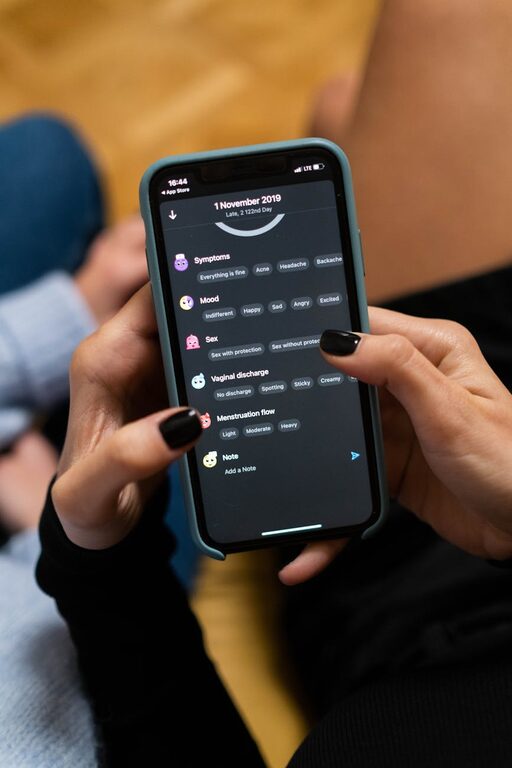
In today’s world, smartphones are an essential part of our daily lives. They keep us connected, informed, and entertained. However, excessive or careless phone use can affect our physical wellbeing, mental health, and productivity. Cultivating healthy phone habits helps you maintain balance, reduce stress, and make the most of technology’s benefits.
In this post, we’ll explore effective strategies to maintain healthy phone habits, including practical tips, mindfulness practices, and tools that support responsible usage.
Why Healthy Phone Habits Matter
Before diving into tips, it’s helpful to understand why phone habits matter. Overuse of smartphones can lead to:
– Eye strain and headaches
– Poor sleep quality
– Reduced focus and productivity
– Increased anxiety or stress
– Physical discomfort in the neck, shoulders, or hands
On the other hand, healthy phone habits promote wellbeing, improve focus, and help maintain meaningful offline relationships.
Set Clear Boundaries for Phone Use
One of the most effective ways to build healthy phone habits is establishing clear boundaries. These help prevent mindless scrolling and excessive use.
Create Phone-Free Zones
Designate certain areas in your home or workplace as phone-free zones. Common choices include:
– Dining table
– Bedroom
– Living room during family time
This encourages you to be present in the moment and enjoy offline interactions.
Schedule Phone Breaks
Rather than checking your phone constantly, schedule specific times for phone use. For example:
– Checking messages only 3-4 times per day
– Limiting social media use to 30 minutes daily
Using a timer or reminders can help stick to these limits.
Use Built-In Features and Apps to Manage Screen Time
Modern smartphones offer tools to track and limit phone use.
Screen Time Tracking
Both iOS and Android devices have built-in screen time trackers that show how much time you spend on different apps. Reviewing these reports can increase awareness and motivate change.
App Limits and Focus Modes
Set daily limits for distracting apps or enable focus modes during work or rest periods to reduce interruptions.
Do Not Disturb Mode
Use “Do Not Disturb” or silent mode during important tasks, meetings, or at night to minimize distractions.
Practice Mindful Phone Use
Mindfulness can transform how you interact with your phone.
Pause Before Picking Up Your Phone
Ask yourself why you want to check your phone. Are you bored, avoiding a task, or actually expecting something important?
Engage Fully When Using Your Phone
Avoid multitasking or half-hearted scrolling. Instead, focus on your purpose, whether it’s reading, messaging, or watching a video.
Avoid Phone Use Before Bed
The blue light emitted by screens can interfere with sleep. Aim to stop using your phone at least 30-60 minutes before bedtime.
Optimize Your Phone Environment
Making minor adjustments can help reduce strain.
Adjust Brightness and Font Size
Set your screen brightness to a comfortable level and increase font size if needed to reduce eye strain.
Use Blue Light Filters
Activate night mode or use blue light filter apps in the evening to minimize sleep disruption.
Maintain Good Posture
Hold your phone at eye level instead of looking down to avoid neck and shoulder discomfort.
Replace Phone Time with Other Activities
Balancing phone use with offline activities helps improve overall wellbeing.
Pursue Hobbies and Interests
Spend more time on activities you enjoy, such as reading, crafting, exercise, or cooking.
Socialize in Person
Make an effort to connect with friends and family face-to-face.
Practice Physical Movement
Take regular breaks to stretch, walk, or do quick exercises to offset sedentary phone use.
Set Realistic Goals and Review Progress
Changing habits takes time and patience.
Start Small
Begin by reducing phone use by 10-15 minutes per day or designating one phone-free zone.
Track Your Success
Use notes or apps to track improvements and celebrate milestones.
Adjust as Needed
If you find certain rules too restrictive or impractical, modify them to better fit your lifestyle.
Final Thoughts
Maintaining healthy phone habits isn’t about eliminating phone use entirely—it’s about creating balance and intentionality. By setting boundaries, practicing mindfulness, leveraging built-in tools, and nurturing offline interests, you can enjoy the benefits of technology without its downsides.
Try incorporating some of these tips into your daily routine. Over time, healthy phone habits will become a natural part of your lifestyle, supporting your mental and physical health.
—
If you found this guide helpful, consider sharing it with friends or leaving a comment below about your own strategies for healthy phone use!