
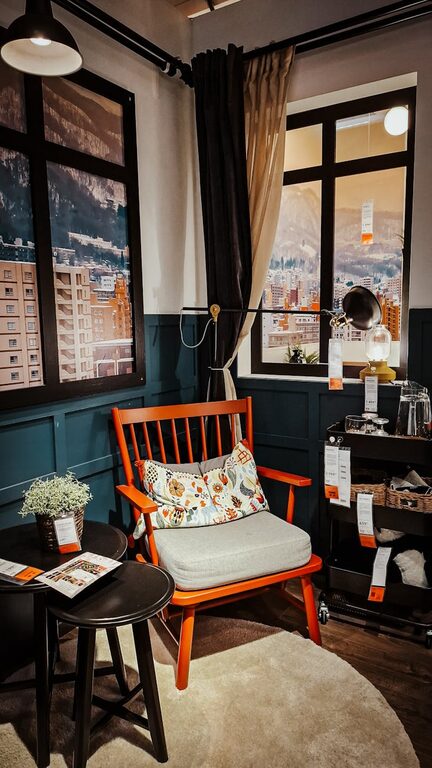
Creating the perfect atmosphere in your home depends heavily on the right lighting. Comfortable home lighting not only brightens your space but also influences your mood, productivity, and overall well-being. Whether you’re redesigning your living room or upgrading your kitchen, choosing the right lighting can transform your environment into a cozy, inviting haven.
In this post, we will guide you through essential tips for selecting comfortable home lighting that fits your needs and complements your style.
Understanding the Basics of Comfortable Lighting
Before diving into specific tips, it helps to understand what “comfortable lighting” means. Comfortable lighting provides enough brightness to perform tasks without causing eye strain while also creating a warm, welcoming atmosphere. It balances functionality and aesthetics and is adjustable depending on the time of day or activity.
Key factors to consider include:
– Brightness: Measured in lumens, brightness should match the room’s function.
– Color Temperature: Expressed in Kelvins (K), it dictates the light’s warmth or coolness.
– Glare and Shadows: Properly diffused light avoids harsh shadows and eye discomfort.
– Energy Efficiency: Using energy-saving bulbs reduces electric bills and environmental impact.
Tips for Choosing Comfortable Home Lighting
1. Assess the Room’s Purpose
Different rooms have different lighting needs:
– Living Room: Opt for warm, inviting lighting that supports relaxation.
– Kitchen and Workspace: Require bright, clear light for cooking or reading.
– Bedroom: Soft, dimmable lights promote restfulness.
– Bathroom: Bright but gentle lighting is essential for grooming.
Understanding the function of each space will help you select fixtures and bulbs that support your activities comfortably.
2. Choose the Right Bulb Type
There are several common bulb types available:
– LED Bulbs: Energy-efficient, long-lasting, and available in various color temperatures.
– Incandescent Bulbs: Offer warm light but use more energy and have a shorter lifespan.
– CFL Bulbs: More efficient than incandescent but contain small amounts of mercury.
– Halogen Bulbs: Bright and clear but less energy-efficient.
For comfortable home lighting, LED bulbs are generally the best choice; they provide excellent quality and flexibility in lighting design.
3. Consider Color Temperature
Color temperature significantly affects how light feels in a room:
– Warm White (2700K–3000K): Creates a cozy, relaxing atmosphere — perfect for living rooms and bedrooms.
– Neutral White (3500K–4100K): Balanced light good for kitchens and bathrooms.
– Cool White/Daylight (5000K–6500K): Crisp and bright, suitable for workspaces or areas requiring focus.
When choosing bulbs, think about the mood you want to create and the room’s function.
4. Layer Your Lighting
Good lighting involves multiple layers:
– Ambient Lighting: The general illumination for the entire room.
– Task Lighting: Directed light for specific activities like reading or cooking.
– Accent Lighting: Highlights artwork, plants, or architectural features.
Combining these layers allows you to adjust lighting levels for comfort and style, ensuring a pleasant environment throughout the day.
5. Use Dimmers for Flexibility
Installing dimmer switches is a simple way to customize your lighting. Dimmers let you adjust brightness according to the time, occasion, or mood, improving comfort and energy savings.
Many modern LED bulbs are compatible with dimmer switches, but be sure to double-check before purchasing.
6. Minimize Glare and Harsh Shadows
Glare can cause eye strain and discomfort. Choose fixtures with diffusers or shades that soften the light. Position lights carefully to avoid direct exposure to the eyes and eliminate harsh shadows by using multiple light sources.
For example, adding floor lamps or table lamps can reduce reliance on overhead lighting and improve light distribution.
7. Match Your Lighting Fixtures to Your Decor
While comfort is crucial, aesthetics matter too. Choose fixture styles that complement your interior design, from modern minimalist to rustic farmhouse. The right fixtures enhance the room’s character while providing comfortable illumination.
8. Don’t Overlook Natural Light
Maximize daylight to create a comfortable and energy-efficient space. Use sheer curtains or blinds that allow sunlight to filter through without glare.
During daytime, natural light reduces the need for artificial lighting and boosts mood and productivity.
9. Think About Energy Efficiency
Comfortable lighting doesn’t have to mean high electricity bills. Opt for LED bulbs wherever possible, and consider fixtures designed for low energy consumption.
Not only do energy-efficient choices save money, but they also contribute to a sustainable lifestyle.
Final Thoughts
Choosing comfortable home lighting is a blend of understanding your space, selecting the right bulbs and fixtures, and creating flexible layers of light that enhance your lifestyle. By paying attention to color temperature, dimming options, and glare management, you can create a home that is both beautiful and comfortable to live in.
Take time to plan your lighting thoughtfully—it’s an investment in your comfort and well-being that makes every room shine just right.